Healing the Planet, Healing Ourselves
A record of activities carried out by the Institute across communities, missions and interventions.
What follows is a selection of the Institute’s documented field activities and interventions, presented as they were recorded. This is a working archive: additional country reports and thematic records — on indigenous peoples, human rights, media, animal welfare, sustainable cities, gender equality, and further activity across Latin America — exist in the Institute’s source materials and will be added to this record as they are formally reviewed and cleared for publication. Nothing here has been summarized; each entry is reproduced in full.
1. Supporting the Poorest of the Poor
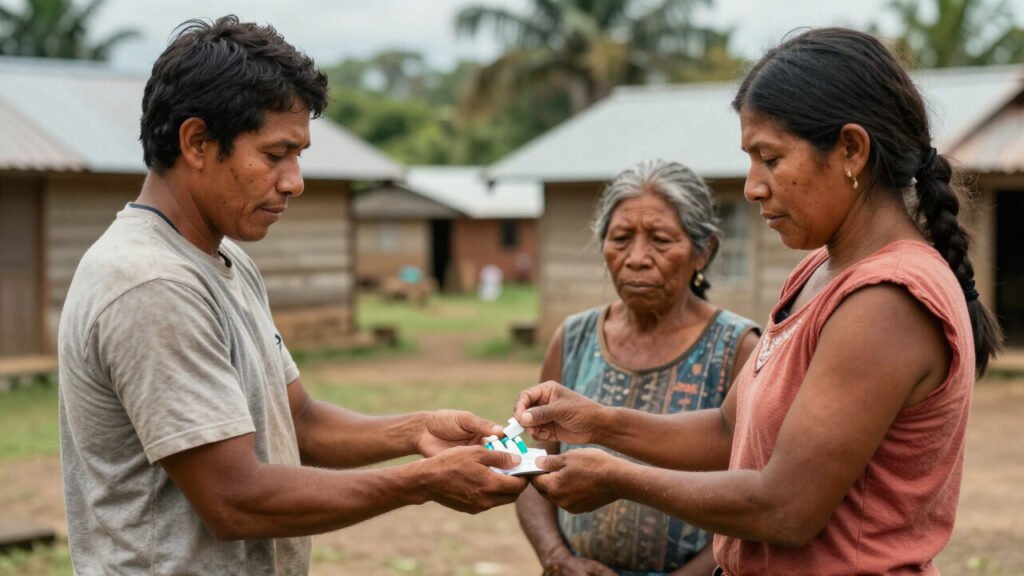
The Institute has visited many people who live in the most difficult conditions, particularly people who live in absolute poverty. We have assisted them with medicine during natural disaster situations (like the Cuna People in Panama), and provided humanitarian support including meditation and contemplation. The Institute has confirmed the immensely powerful spiritual capital in the hands of the poor. Lectures on these issues have been given at the University of Michigan, DePaul University and Penn State University, and dialogue has taken place with several religious communities at the level of their respective theologies.
2. Being in Ciudad Bolívar
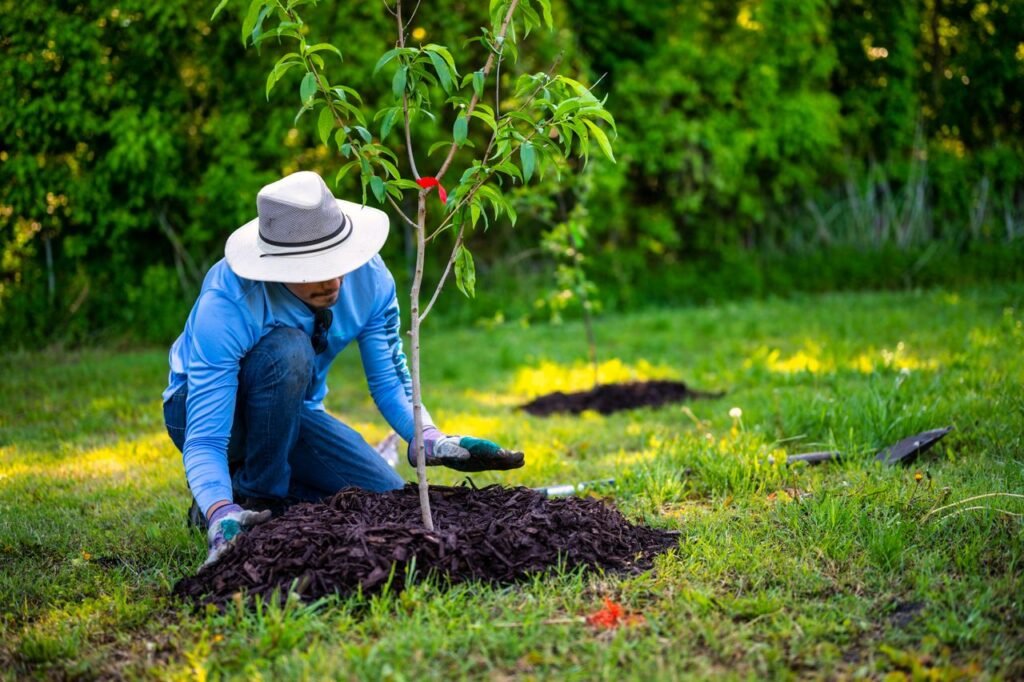
There are shanty towns all over the world, some suffering greatly due to poverty, crime, drug abuse and violence — yet materially poor people often carry an immense and deep spirituality. In Ciudad Bolívar, surrounding Bogotá, there is a technical college where nearly 10,000 students attend and close to 500 professionals graduate in mechanics, electricity, cooking and other trades. The Institute has given donations enabling 300 students to have one meal a day, and 2,500 students were trained in silent meditation. The Trees-4-Peace program is expected to plant thousands of trees there.
3. High Security Prison in Calarcá
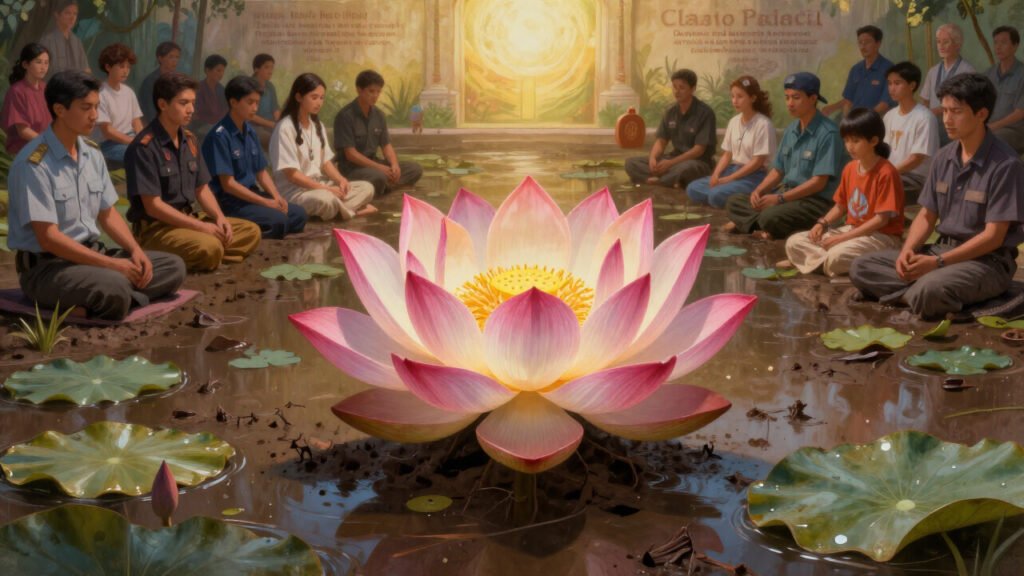
The lotus flower is born inside the dirtiest mud, and is capable of producing the most beautiful colors and aromas — we, as human beings, share this capacity. Following the Institute’s new spirituality, a major program was implemented within the High Security Prison of Calarcá: more than 2,000 prisoners have been visited, seminars and silent meditations for world peace carried out, and a full course in Stress Management given for the prison guards and administrative staff. The program will extend to dialogues among children of prisoners and security guards, spiritual retreats, and the Women’s High Security Prison.
4. Missions to Lake Titicaca

These missions represented a great return to the past and an opportunity to experience very subtle levels of human transformation. These places are central to the understanding and practice of silence; the Institute will return before the decade ending in 2025 is over, to be and experience while enlivening old ruins, temples and altars that have stood for thousands of years.
5. Support for Traditional Medical Doctors and Medication
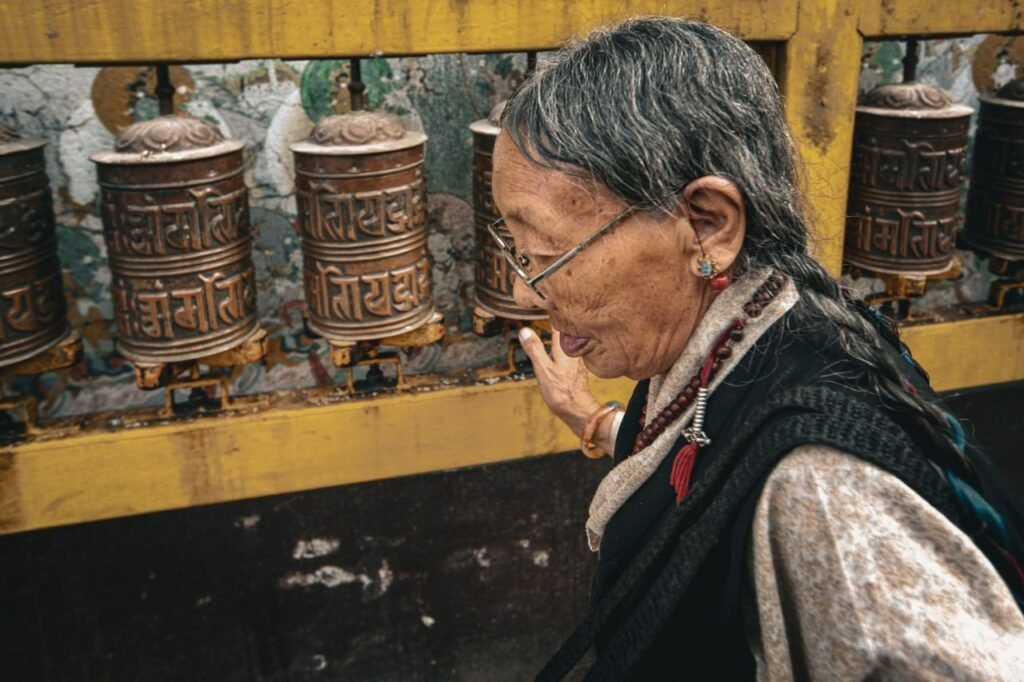
One of the greatest needs of poor people is medicine, particularly traditional forms of medication and traditional medical doctors. In the case of Tibet, at one time the only source for doctors and medicine was Nepal, and the Institute assisted in financing airplane tickets and medicines — bringing both doctors and medicines to the needed places in less than 24 hours. The slimness of the Institute’s administration enables this type of emergency operation to work well and effectively.
6. Financing a School of Geshes and Other Spiritual Groups
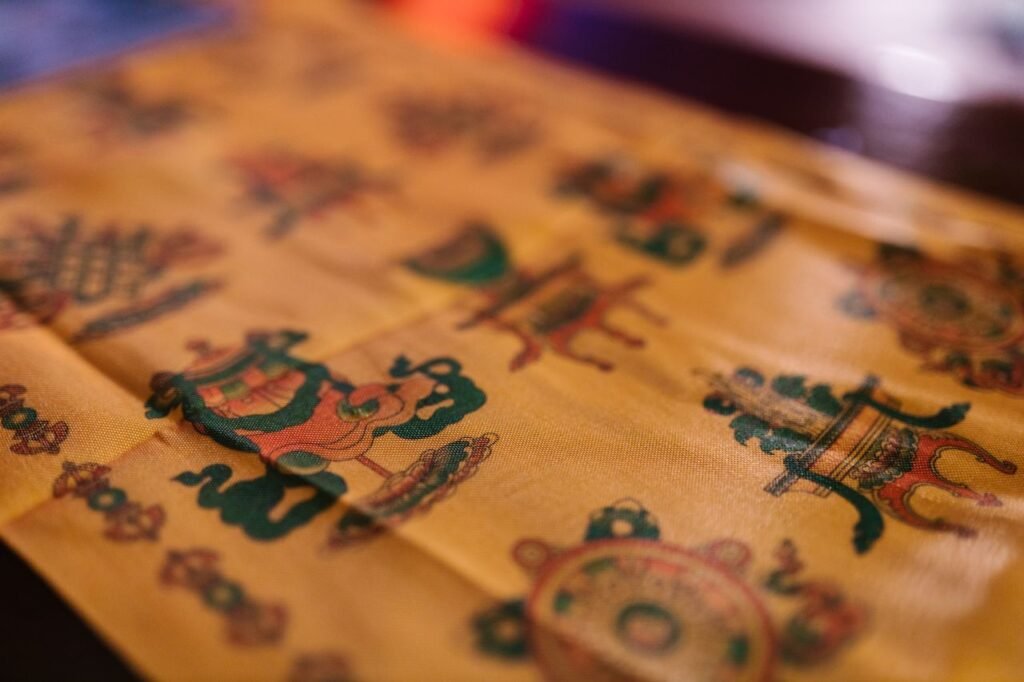
Many spiritual groups are to continue in their existence for the benefit of humanity. Because the Institute is not faith-bound, it has provided material assistance to spiritual communities around the world whenever in physical contact — including an important contribution for the start-up of a Buddhist school of highly advanced monks, still functioning with some degree of success, and support for catholic communities in Palestine assisting children affected by war.
7. Doing Merit: An Old Tradition in the East

In Eastern spiritual traditions, people do “merit” to erase negative actions (karma) and make material contributions to those who pray for them. In various visits and missions, communities of monks and local spiritual groups have engaged in prayer from the moment of arrival to the moment of departure; as a form of merit, Institute members always contribute to the material welfare of those communities — assisting education, music, scholarships and equipment.
8. Paying Respects to Spiritual Leaders, Shamans…
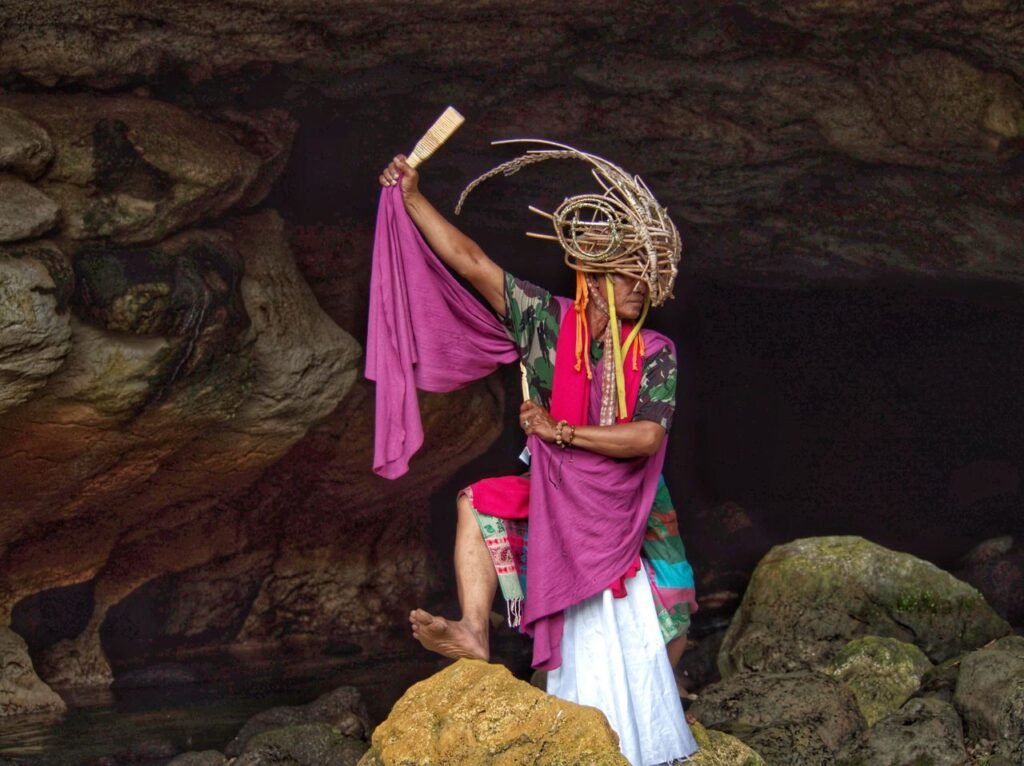
One important aspect of all spiritual missions is to pay respect to local spiritual leaders. Because Institute activities are not geared towards spiritual or religious “conversion”, the main thrust has been to expand and strengthen the spiritual reality of local communities through formal visits to leaders, shamans and healers, often followed by ceremonies, lectures, seminars and retreats that generate mutual understanding and networks of friendship.
9. Coaching Young Professionals

The Institute has assisted hundreds of young professionals in their activities and personal growth, both formally and informally — lawyers, doctors, economists, architects, artists and musicians seeking a different meaning for their professional practice. This is an ongoing activity that the Institute continues to expand and deepen.
10. Silent Meditations in Many Countries

There are many communities around the world that have had the inner experience of collective silence. Almost all Latin American countries have celebrated collective peace through the power of silence, and many silent meditations for world peace have also been organized in North America and Europe — a permanent activity of the Institute.
11. Financing the Establishment of a Choir in the Coffee Region
In Colombia’s Coffee Region, an Angel Choir of young adolescents devotes a great deal of time to sacred music. The Institute financed the first stage of an establishment program so that food, transport and shelter are provided for the choir’s members and its music director, enabling the choir to grow, consolidate, and become financially self-sufficient.
12. Writing and Distribution of Books and Brochures: Sharing the Messages

The Institute is promoting a shift in the existing paradigm of human transformation across all aspects of human life, through the writing and distribution of books, brochures and street posters. In 2008 the Institute carried out an informal evaluation of the impact of each instrument of dissemination and communication, enabling it to fine-tune the instruments and their proper use.
Join the circle receiving ZIHT's dispatches.
A weekly reflection, a new publication, or a call to action from the field — direct from the Institute, in the same voice you find on this site. No noise, no solicitation.